Custom synthesis service for non-natural amino acyl-tRNA
Non-natural amino acids (nnAAs) are used for several purposes: creating proteins with a novel function, studying the protein function and so on. They are incorporated into proteins just add them to the in vitro translation system like PUREfrex® from GeneFrontier.
ProteinExpress offers the custom nnAA-charged tRNA synthesis and following custom nnAA-charged protein production service. You could get a custom tRNA with an amino acid and with a tRNA sequence of your interest.
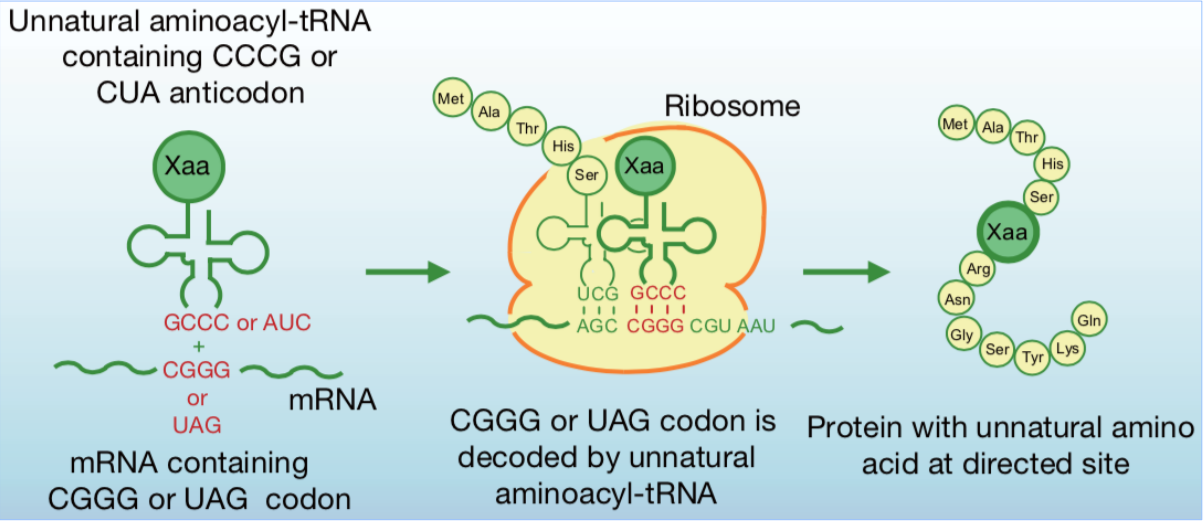
Fig.1 nnAA and its incorporation into proteins
Advantages
- You could choose any codons of your interest (UAG or CGGG are generally used.)
- Many nnAAs or labeled tRNAs are available (Fig.2)
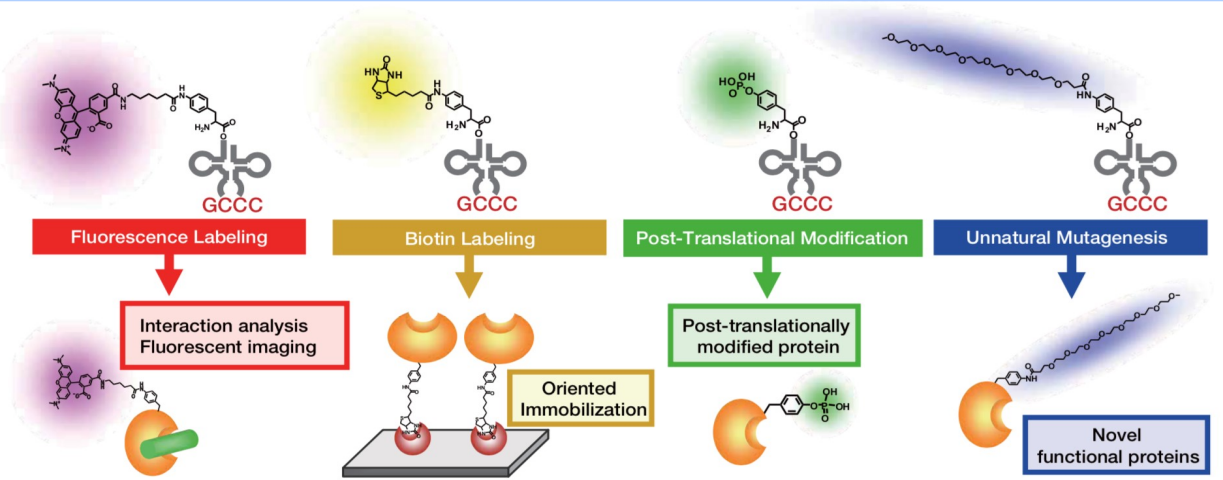
Fig.2 Off-the-shelf tRNA products and its usage
- TAMRA-X-AF
- CR110-X-AF
- HiLyte Fluor 488-AF
- ATTO633-AF
- ATTO655-X-AF
- Biotin-AF
- Biotin-X-AF
- Biotin-XX-AF
- Lys (Me)
- Lys (Me2)
- Lys (Ac)
- PEG4-AF
- PEG8-AF
- PEG12-AF
- BPA
- AcPhe
- AzoAla
- Phe(4-F)
- Phe(4-I)
※Above tRNAs are available for both UAG and CGGG codon.
※Please inquire if the tRNA of your interest is not listed!
Application
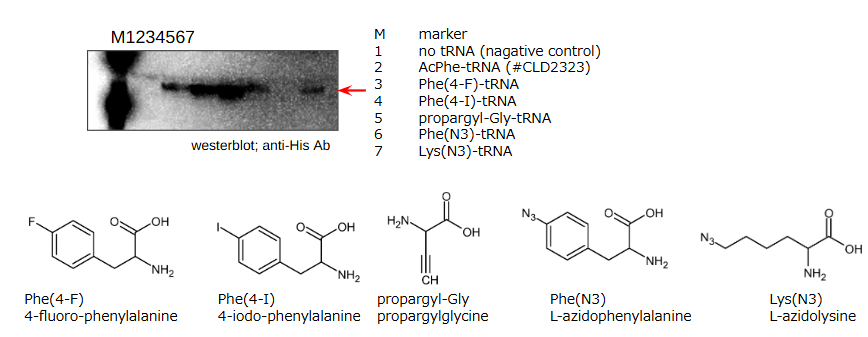
Fig.3 Comparison of the incorporation rates among 5 nnAAs
5 nnAAs (lane 3-7) were incorporated into the amber codon (UAG) on the same protein. All the tRNA had the same sequence, but the incorporation rate widely varied depending on the charged nnAAs.
HiLyte Flour 488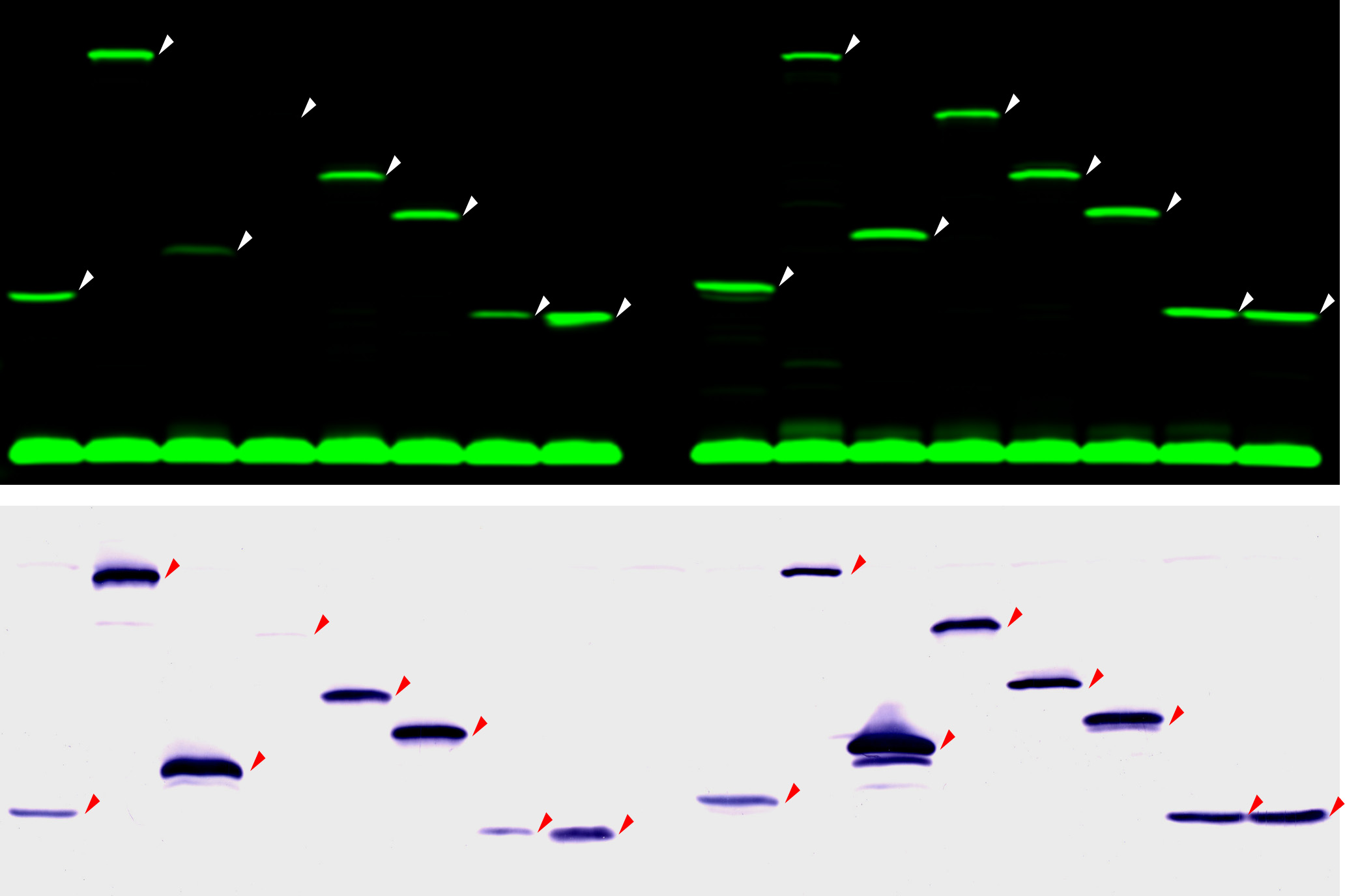
TAMRA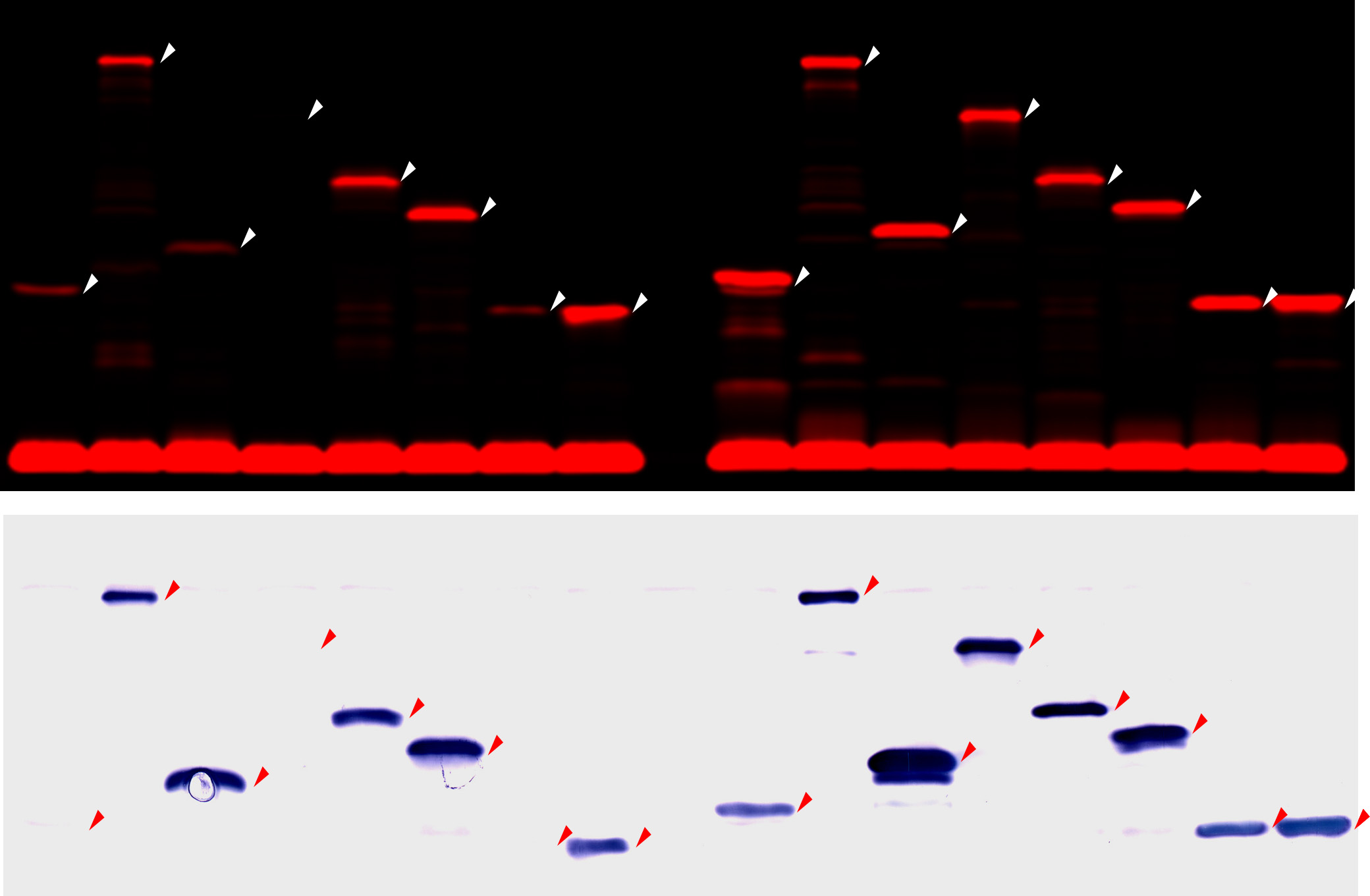
ATTO633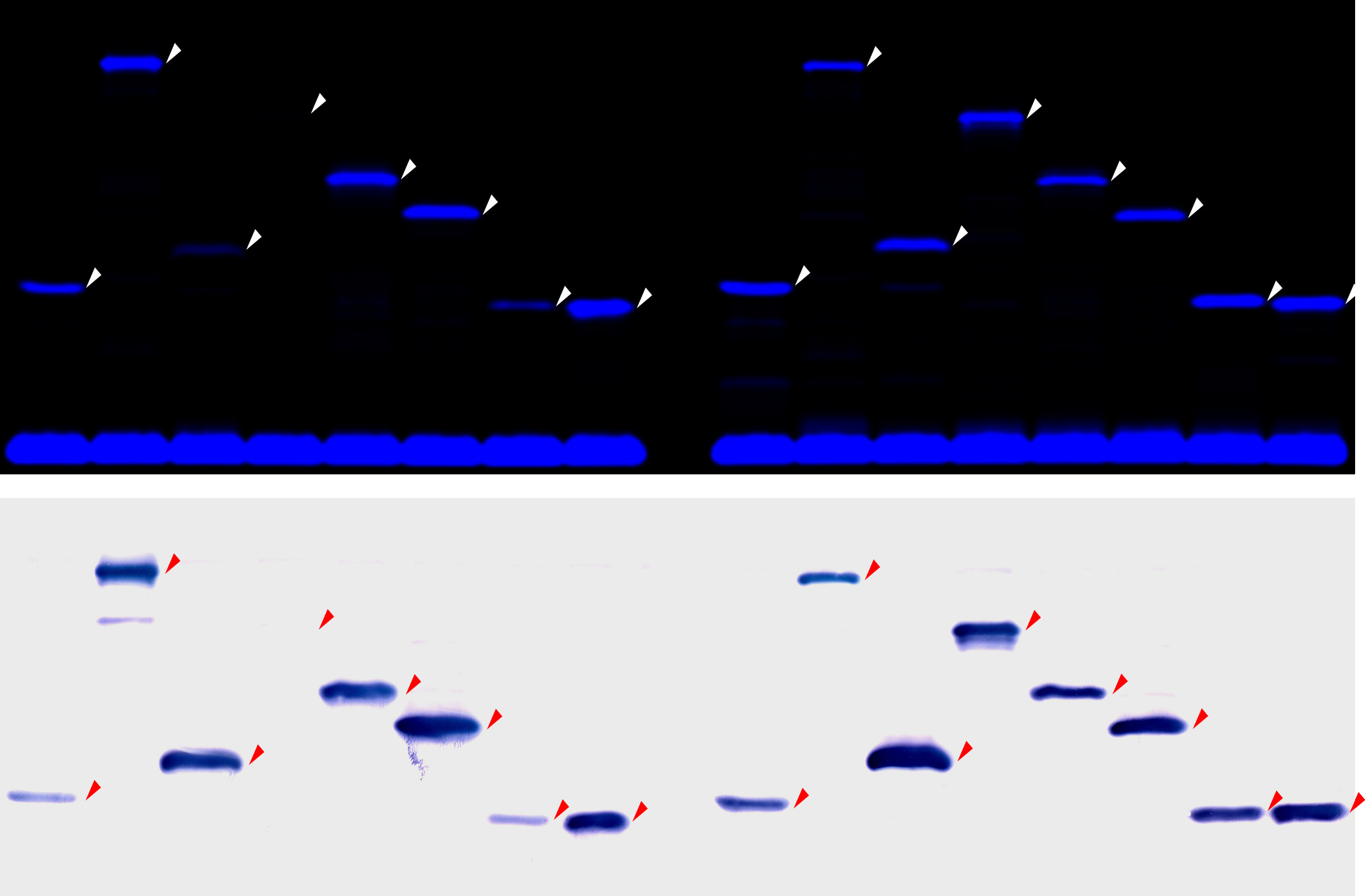
Biotin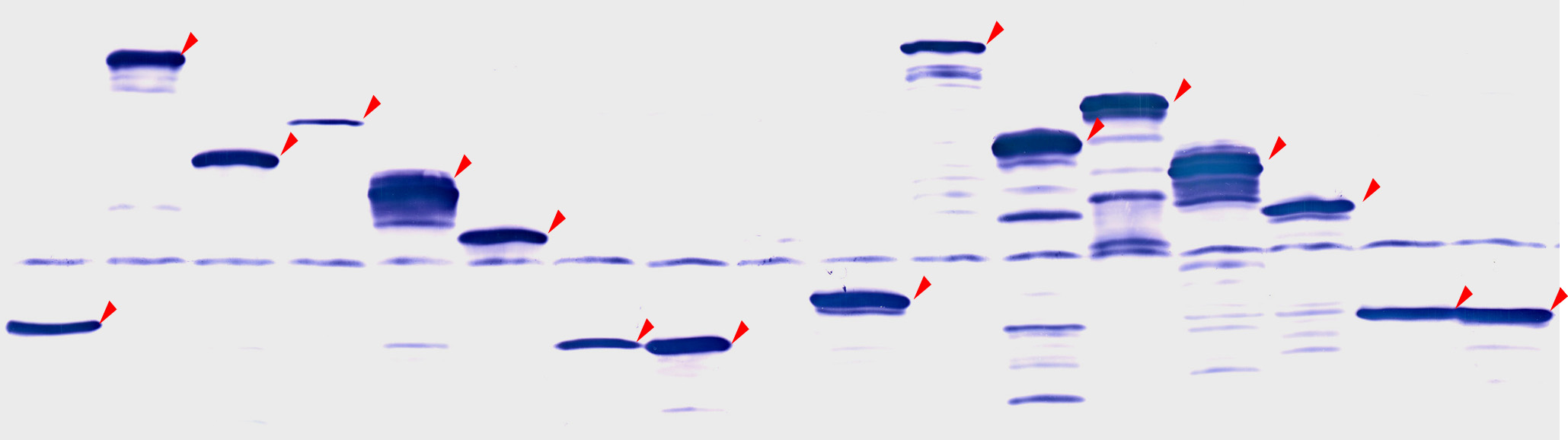
Fig.4 Pin-point protein labeling in the E.coli based cell-free expression system
2UAG: Proteins with UAG codon right after the start codon (AUG)
ProX tag: Proteins with ProX tag (UAG) This makes it possible to increase the productivity of the protein itself and improve the efficiency of introducing non-natural amino acids.
This product is "Research reagent". It is prohibited to use against humans or animals in medical care, clinical diagnoses, or as food.